

What are Cosmetic Consumers Seeking from Packaging?
Cosmetics and packaging are tightly intertwined, like components of a single design ecosystem. So, what are the consumers expecting from packaging ? Here are conference highlights from the cosmetic fair Cosmoprof in Bologna at the end of March.
Three fundamental trends underpin the majority of innovations in beauty packaging.
First, there is a growing expectation for packaging that reflects the consumer’s real-life context — designs that align with how products are actually used throughout the day. This means creating formats that integrate seamlessly into evolving beauty routines, from morning application to on-the-go touch-ups and evening rituals. Packaging for high-frequency, “hero” products in particular must be optimized to support these usage patterns, ensuring accessibility, portability, and intuitive interaction at every moment of use.
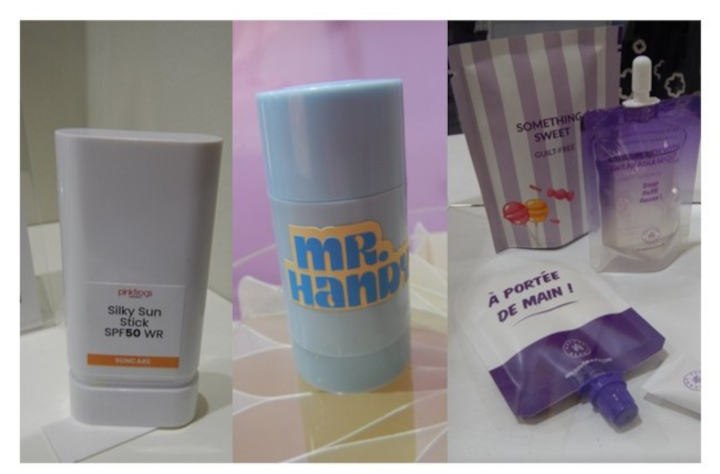
Second, consumers increasingly expect packaging to safeguard both their time and financial investment. With heightened awareness around spending in beauty and personal care, purchasing decisions are more deliberate and value-driven. Packaging plays a critical role in signaling this value: durability, functionality, refillability, and product protection all contribute to reinforcing a sense of trust. Conversely, poorly designed or wasteful packaging can quickly erode confidence, suggesting a lack of consideration for the consumer’s commitment to the brand.
Third, packaging is expected to contribute positively to the emotional dimension of beauty routines. Daily application moments are often perceived as small but meaningful rituals — opportunities for self-care, relaxation, creativity, and personal expression. In this context, packaging should act as a seamless, stress-free interface that enhances these experiences. Thoughtful design elements — such as ease of handling, satisfying tactile feedback, and clarity of use — can elevate these micro-moments, whereas friction, complexity, or inconvenience can detract from them and introduce unnecessary stress into what is meant to be an enjoyable routine.
Portable packs
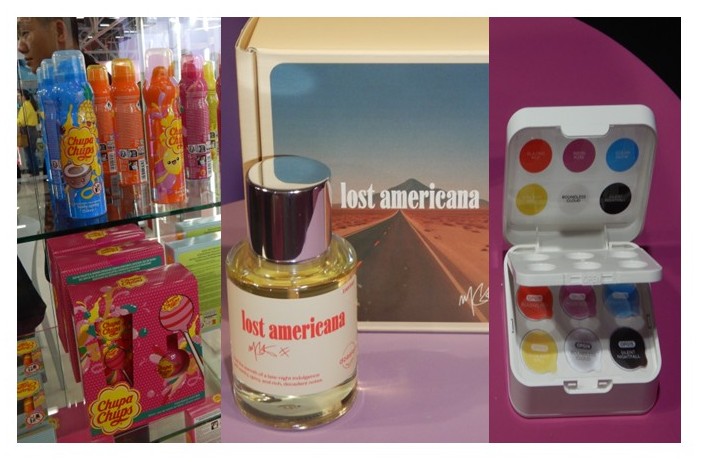
Beauty brands are actively translating these trends into concrete product and packaging innovations. Portable convenience has become non-negotiable, with the “keychain beauty” boom illustrating a clear opportunity to reimagine everyday essentials in formats that are both playful and highly functional. Standout examples include multi-format applicators inspired by the classic four-colour pen, which successfully combine several products within a single, intuitive mechanism — often enhanced by a tactile “click” or a nostalgic design cue. Similarly, double-ended pencils maximize utility while maintaining a compact footprint.
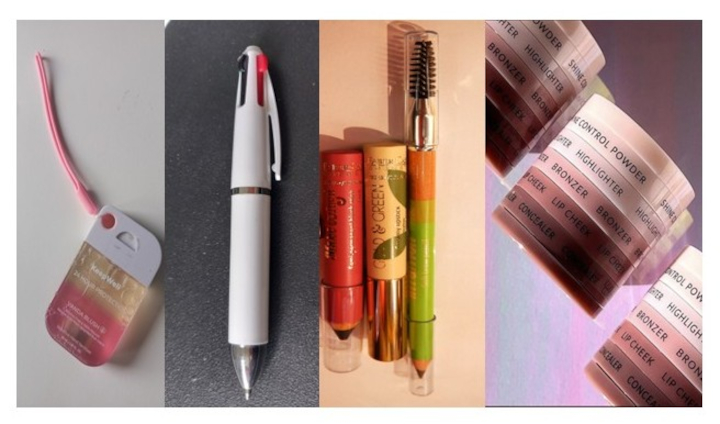
Beyond novelty, slim, portable, refillable, and increasingly customizable formats are driving improved product transport and usability. Stackable compacts, ultra-mini deodorants, and sun-care products designed to fit into a back pocket all exemplify this shift toward mobility-first design.
Ease of use
In parallel, a growing category is emerging around packaging engineered for ease of use and accessibility. Tactile surfaces, mobility-friendly grips, and intuitive handling are enabling broader consumer reach, as seen in products like eyebrow mascaras with enhanced grip ergonomics.
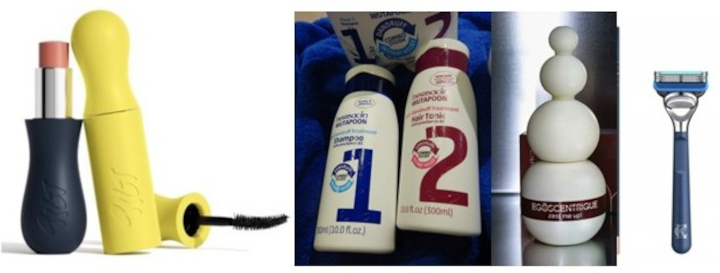
Visibility also plays a key role, with low-light-readable labeling supporting nighttime routines or on-the-go application. Numerical labeling systems are being introduced to streamline usage sequences and clarify multi-step regimens. Additionally, ergonomic designs — such as flat-sided packaging that prevents products from rolling off countertops — demonstrate how small structural adjustments can significantly improve everyday functionality and user experience.
Dual functionality has also become essential, as providing consumers with multiple usage options aligned with their preferences represents a clear competitive advantage. Integrated technologies further enhance product performance while delivering tangible value-added benefits. Travel-friendly, intuitive product pairings are designed to anticipate and address key consumer pain points, while everyday grooming products increasingly benefit from practical packaging innovations.
Sustainability
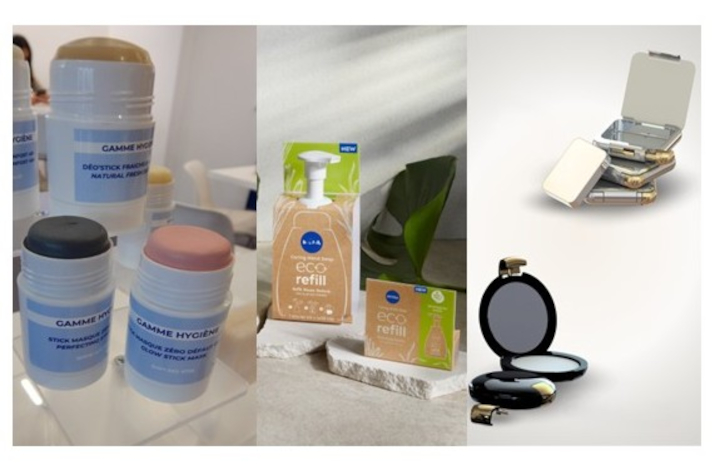
Across Europe, refillable solutions are gaining significant traction. Convenient and sustainable refill systems for daily-use products constitute a strong market driver. While personal care currently dominates this space, beauty brands — particularly in lipsticks and compacts — are rapidly adopting similar approaches. This is especially effective when the primary case or bottle carries intrinsic value, whether through mono-material construction, multifunctionality, or its appeal as a keepsake. Formats such as multi-use skincare sheets, multifunctional mists, and lotion-in-case designs are all developed with evolving consumer lifestyles in mind.
Sharing ideas across markets
Finally, cross-industry influences are shaping both form and formulation. The food industry contributes familiar, user-friendly formats such as easy-to-squeeze, mess-free tubes, while the pharmaceutical sector informs advancements in precision dispensing, leak-proofing, antimicrobial dosing, and the use of airless, opaque packaging systems.
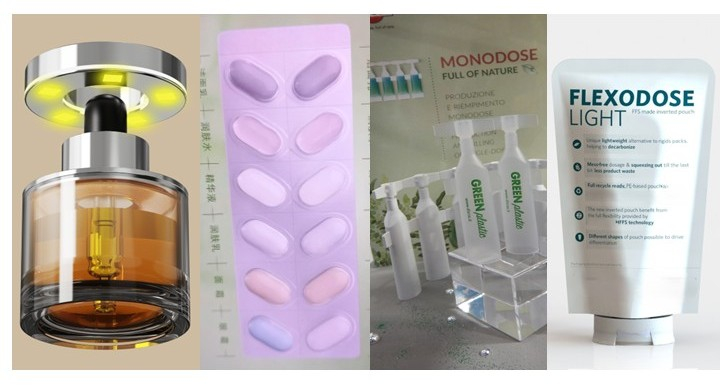
Jennifer Stewart, Future Snoops Account Director UK and Europe, says, “Designing for form and function means always putting product end use in mind. Packaging can either encourage or create a barrier to, product use and enjoyment. Common-sense packaging is the key to maximizing product adoption. Consumers appreciate packaging design that considers their user experience from a practical, real-world perspective. It shows an inherent understanding of common pain points that earns consumer loyalty and trust.
“Inconvenient, messy and irritating packaging erodes this trust,” Stewart continues. “When designed with form and function in mind, convenient packaging is ideally not even noticed by consumers. It is so seamless that it generates no mess, no additional thought, or time to utilize. It simply enhances routines and supports the product.”
Report, comments, and pictures from journalist Dominique Huret, from Cape Decision.